
Navigate clean air zones
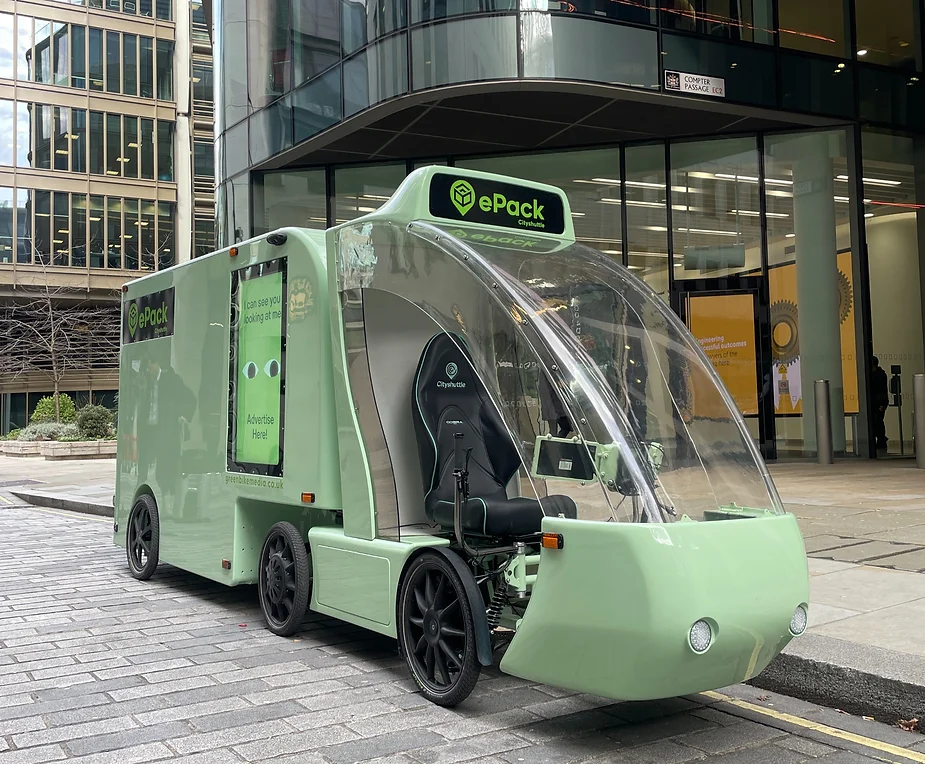
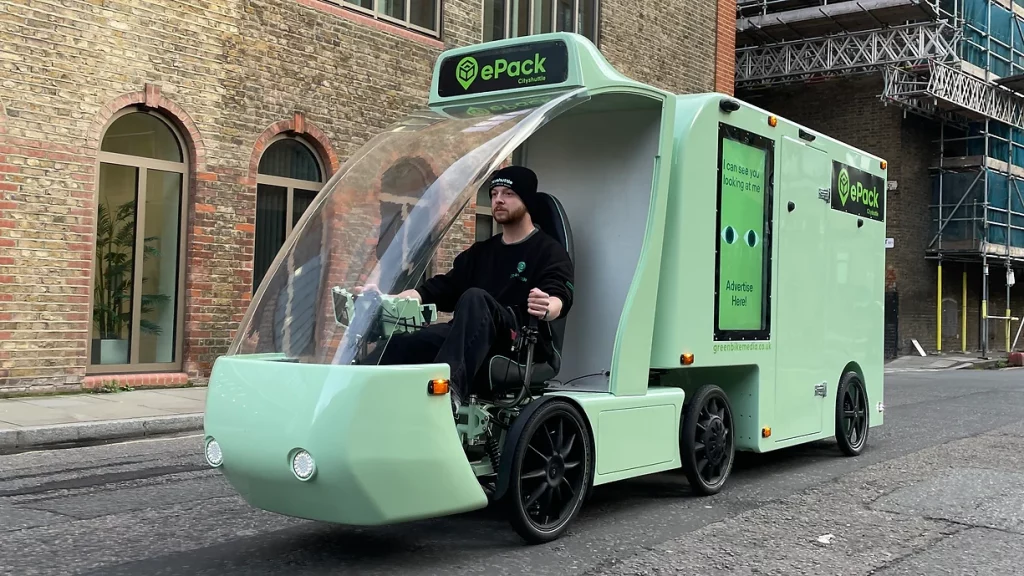
Consider collaborating with other food and drink businesses to make use of micro-consolidation centres where suppliers can drop off in bulk and can fulfil smaller and more regular last-mile deliveries to your business. This is a smart way to influence the footprint of your supply chain and have a positive impact on local air quality.
Consider what happens once your products leave your kitchen or warehouse. How are they arriving at your customer’s doorstep? Many food and drink businesses are addressing food sourcing and sustainable waste management, investing in making their products and services more sustainable but this means they often forget this last step.
Packaging returns
The future
By integrating these sustainable practices, hospitality businesses can not only reduce the environmental impact of their operations, but also appeal to increasingly environmentally conscious consumers who are prioritising businesses who not only have sustainability at their core, but who can prove the effectiveness of their environmental policies.